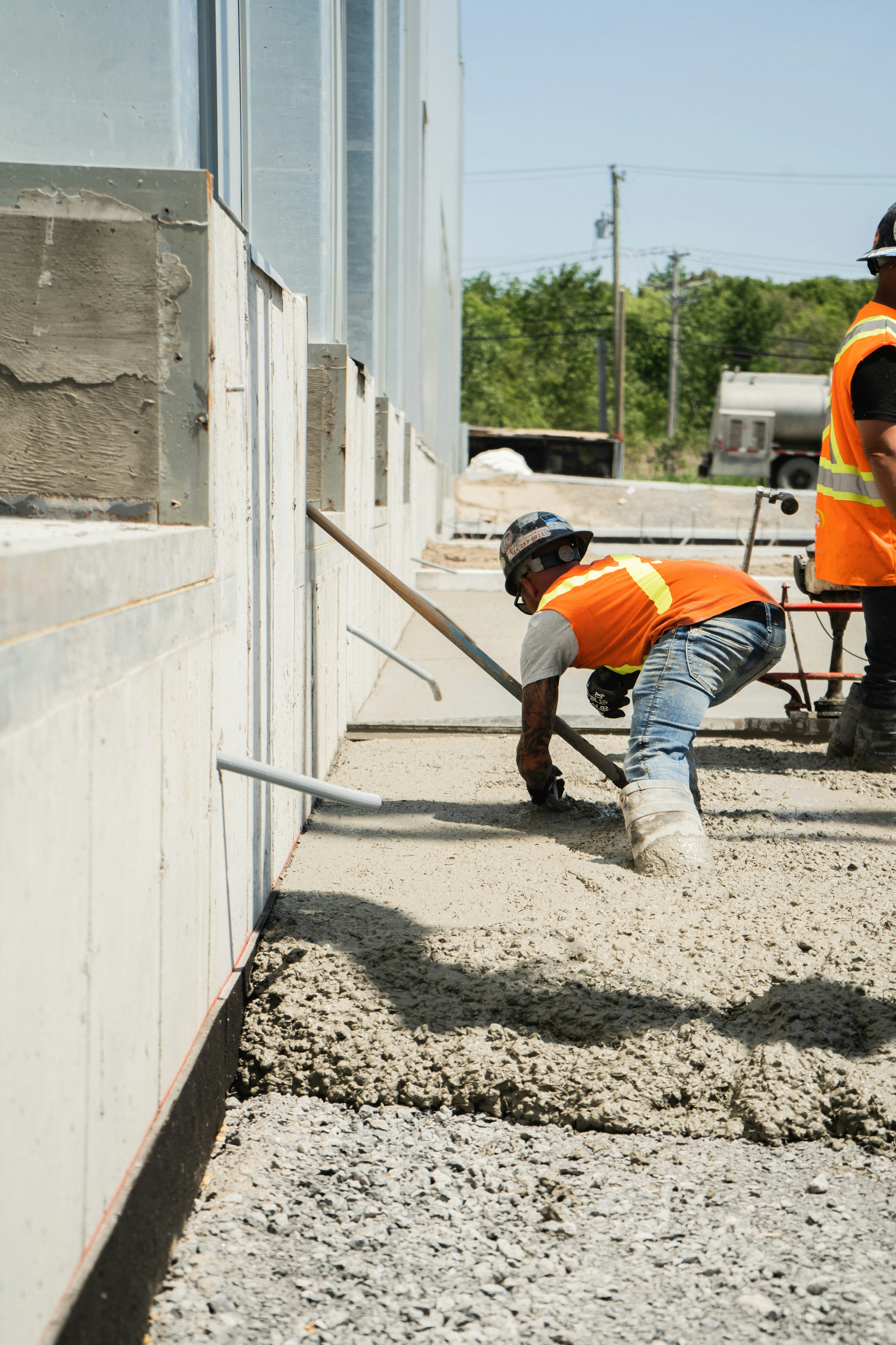
Foundation Repair in Austin, TX: How to Choose the Right Contractor for Your Home
Engineer-reviewed foundation repair, free assessments and lifetime transferable pier warranties in Austin, TX.
Bats Foundation Repair →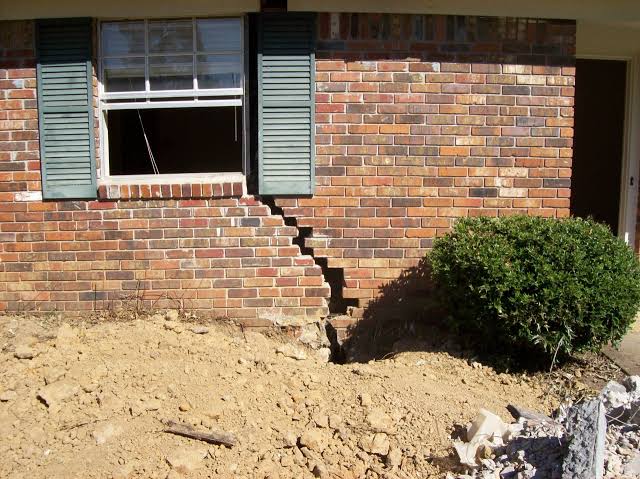
Engineer-reviewed foundation repair, free assessments and lifetime transferable pier warranties in Austin, TX.
Bats Foundation Repair →
Austin homeowners search for foundation repair more often than almost any other structural service, and the reason sits directly beneath the house. The city's building stock runs from 1920s bungalows east of I-35 to post-2010 slab-on-grade construction in North Austin, and both types move when the ground moves. Doors that stick in August, hairline cracks that widen above window headers, and floors that slope toward a hallway are the everyday signals that bring people in Austin to look for a qualified foundation contractor. Knowing how to evaluate that contractor is the difference between a permanent fix and a recurring problem.
The landmarks that define Austin also explain its soil story. Homes near Lady Bird Lake and the Hike-and-Bike Trail sit on alluvial deposits that behave very differently from the limestone shelves under Tarrytown and West Lake Hills. Properties around Zilker Metropolitan Park and Barton Hills often combine shallow rock with pockets of fill, while neighborhoods east of the Texas State Capitol sit squarely on the Blackland Prairie clay belt. A contractor who reads those differences correctly designs a repair that matches the lot. One who applies the same solution everywhere in Austin usually returns within a few years.
Central Texas weather compounds the issue. Long, dry summers pull moisture out of expansive clay until it shrinks and the perimeter of a slab drops; heavy autumn and spring rain swells the same clay and pushes portions of the structure back up. That seasonal cycle is why foundation movement in the 78702 ZIP code and the surrounding East Austin corridor tends to appear gradually and then accelerate. Drainage grading, tree root proximity, and irrigation habits all feed into the pattern, and any credible assessment in Austin has to account for all three before a single pier is placed.
Access matters too. From the Tillery Street corridor, crews reach Hyde Park, Mueller, Cherrywood, Govalle, Windsor Park, Travis Heights, and South Austin within minutes, and the wider Travis County service radius stretches out to Pflugerville, Manor, Del Valle, Round Rock, and Lakeway. That connectivity supports fast foundation inspection appointments in Austin, TX, prompt slab repair scheduling, and follow-up visits for pier & beam repair without the long lead times that out-of-town crews often quote to Austin homeowners.
Start with specialization. A company that repairs foundations exclusively has seen the same Austin failure patterns hundreds of times and knows which ones respond to piers, which ones need drainage correction first, and which ones are cosmetic. Ask how many projects the crew has completed inside your ZIP code, whether a licensed engineer reviews the repair design, and what happens if the structure moves again after the work is finished. A contractor who answers those three questions clearly and in writing is already ahead of most bids you will receive. For a broader look at the process, see our guide on choosing the right pier system for your Austin foundation.
Not every crack is structural. In Austin, the signals worth acting on are diagonal cracks running from window and door corners, exterior brick separation along mortar joints, interior doors that bind seasonally and never fully recover, and floors that measure more than an inch out of level across a single room. A proper evaluation includes elevation readings taken room by room, a look at grading and gutter discharge, and a check for plumbing leaks that mimic foundation movement. Homeowners comparing options often begin with a simple search for foundation repair near me and then narrow the field by who actually measures before quoting.
Two bids on the same house can differ by thousands of dollars because they solve different problems. One may propose eight perimeter piers to stabilize a corner; another may propose twenty-two piers plus interior support and drainage work. The honest comparison is not price per pier but scope: how many piers, what depth, what material, and what the engineer's plan calls for. Written scope, load-bearing calculations, and a clear description of soil depth to bearing strata are what separate a real proposal from a number on a page. Homeowners researching foundation repair austin tx should always request that documentation up front.
A warranty is only useful if it survives a sale and covers adjustment labor. Bats Foundation Repair, LLC provides a lifetime transferable warranty on steel and hybrid steel pier systems, with no adjustment charges during the first ten years on hybrid steel piers, and separate written terms for pier and beam repairs. Transferability matters in a market where Austin homes change hands frequently, because a documented, transferable warranty removes a major objection at closing. Ask any contractor whether their coverage transfers, what triggers a callback, and who pays for it.
It is decisive. Hyde Park, Rosedale, Allandale, and Crestview are dominated by older pier and beam homes with original cedar posts, shallow footings, and decades of settlement, while Mueller and North Austin lean heavily toward post-tension slabs. A crew that works these Central Austin neighborhoods weekly knows the permit expectations, the tight alley access, the mature pecan and live oak root systems that drive localized drying, and the historic-district considerations that affect exterior work. Reviews from neighbors are the fastest way to verify that experience, and you can read verified feedback for east austin foundation repair before scheduling.
Before work begins, you should receive elevation readings, an engineer-reviewed plan, a pier layout drawing, and a written scope with a firm price. During installation, crews should protect landscaping, monitor lift in small increments, and document each pier's depth and load. Afterward, you should get an as-built record, warranty paperwork, and guidance on watering and drainage so the repair holds. Austin's clay will keep expanding and contracting, so aftercare instructions are part of the job. Local context on the foundation repair travis county market helps homeowners understand why that process discipline matters.
Bats Foundation Repair, LLC serves customers throughout Austin and Travis County, including East Austin, Hyde Park, Mueller, Cherrywood, Govalle, Windsor Park, Travis Heights, Bouldin Creek, Zilker, Crestview, Allandale, and Rosedale, along with nearby communities in Pflugerville, Round Rock, Manor, Del Valle, Buda, Kyle, Lakeway, Bee Cave, and West Lake Hills. Whether you're in Central Austin or South Austin, our foundation repair team is nearby.