How to Choose the Right Pier System for Your Austin Foundation Repair Project
Concentrically driven, hybrid steel, sonotube and engineered pad systems matched to Austin soil data.
Bats Foundation Repair →
Concentrically driven, hybrid steel, sonotube and engineered pad systems matched to Austin soil data.
Bats Foundation Repair →
Choosing a pier system is the single most consequential decision in an Austin foundation repair project, and most homeowners make it with very little information. The pier type determines how deep the repair reaches, how much lift the crew can recover, how long the fix lasts, and whether the warranty transfers to the next owner. Austin's mix of pier and beam cottages, mid-century slabs, and modern post-tension foundations means there is no single correct answer, only the correct answer for a specific lot, soil profile, and structure.
Geography drives that decision more than budget does. Properties near Lady Bird Lake and the Hike-and-Bike Trail often sit above deep alluvial soils where bearing strata can be twenty feet down or more. Homes closer to Zilker Metropolitan Park and Barton Hills frequently hit limestone within a few feet. Around the Texas State Capitol and through the older neighborhoods east of I-35, the profile shifts again into deep Blackland Prairie clay. Each of those conditions favors a different pier design, and a contractor who has installed all of them across Austin can explain why one is chosen over another.
Central Texas climate is the reason piers are needed at all. Expansive clay in and around the 78702 ZIP code swells during wet spring months and shrinks through long dry summers, cycling the perimeter of a foundation up and down season after season. Shallow support systems ride that movement; properly designed deep systems bypass the active zone entirely and rest on stable bearing material. Understanding where the active zone ends on your particular lot is the technical heart of a good repair plan, and it is measured, not guessed.
Crews working from the Tillery Street corridor reach Hyde Park, Mueller, Cherrywood, Govalle, Windsor Park, Holly, Travis Heights, and South Austin quickly, and extend across Travis County to Pflugerville, Manor, Round Rock, Del Valle, Buda, and Lakeway. That proximity keeps foundation inspection appointments in Austin, TX flexible, supports staged house leveling work on occupied homes, and makes warranty adjustments on steel piers straightforward for years after the original installation.
Four systems cover the overwhelming majority of Austin projects. Concentrically driven piers are pressed steel sections driven under the structure's own load until refusal, giving predictable, load-tested depth. Hybrid steel piers combine a steel shaft with a concrete cap for slab work in deep clay. Sonotube piers are cast-in-place concrete columns used commonly in pier and beam retrofits. Engineered pad and block systems support interior beams where access is limited. Understanding the differences early prevents costly rework later, and our overview of foundation repair in Austin, TX explains how the assessment leads into that choice.
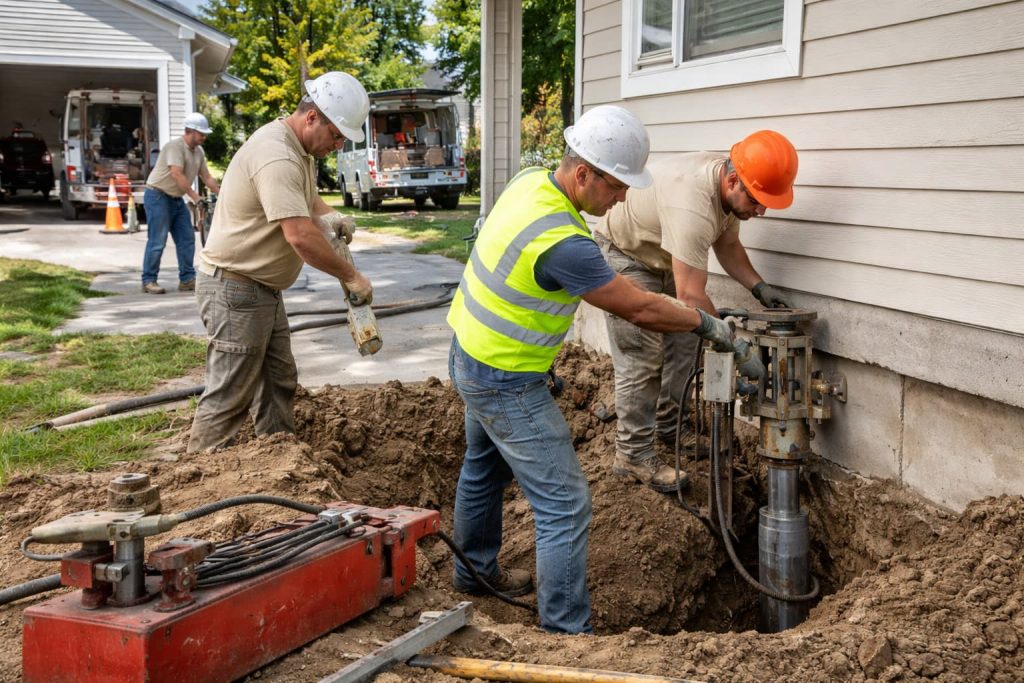
Depth is determined by where stable bearing material begins, not by a fixed number. In the deep clay east and northeast of downtown Austin, driven piers frequently reach fifteen to thirty feet before refusal. On the western side of the city, where limestone rises close to the surface, competent bearing may appear at six to ten feet. A pier that stops inside the seasonally active clay zone will move with the soil. Insisting on load-tested depth documentation for every pier is the simplest quality control a homeowner can apply to pier and beam foundation repair austin.
Older Central Austin neighborhoods such as Hyde Park, Rosedale, Allandale, and Crestview are full of pier and beam houses built on original cedar posts and shallow pads that have settled unevenly for decades. These homes usually respond best to a combination of sonotube piers around the perimeter and engineered pad and block supports at interior beam lines, with sill and joist repairs handled at the same time. Crawl space access, mature tree roots, and historic-district exterior considerations all shape the design, which is why experience with steel piers and traditional systems together matters here.
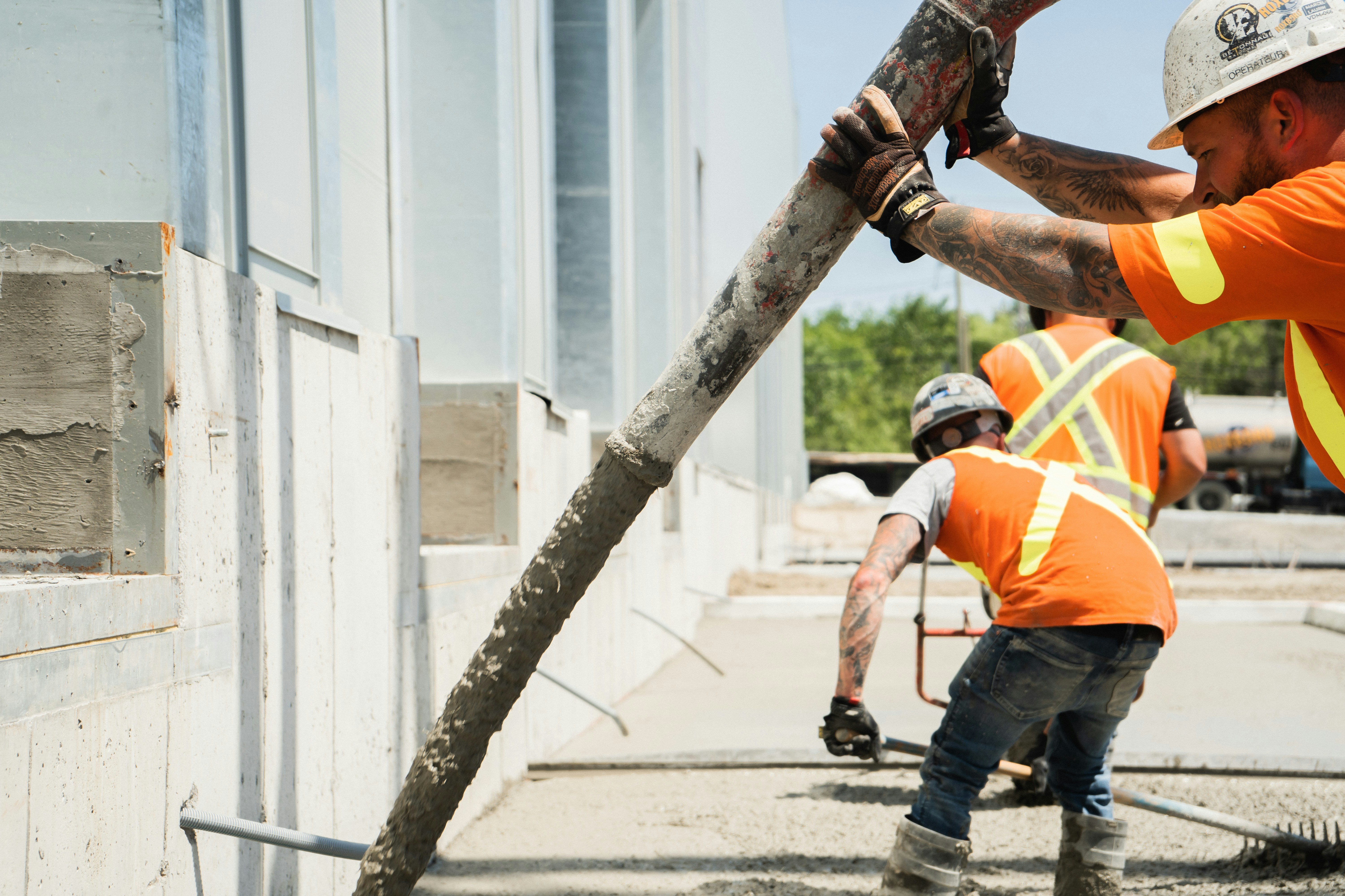
Realistic lift expectations prevent disappointment. A well-executed plan typically recovers most of the measured elevation difference, but recovery is limited by how brittle the structure has become. Slabs that have been out of level for many years may only be raised part way before tile, drywall, and plumbing risk damage, so crews lift incrementally and monitor cracks throughout. The goal is stabilization and meaningful improvement, not perfect flatness. Reading verified customer accounts of house leveling austin tx gives a grounded sense of typical outcomes across Austin.
It does, and the difference is significant. Steel and hybrid steel pier systems installed by Bats Foundation Repair, LLC carry a lifetime transferable warranty, with no adjustment charges during the first ten years on hybrid steel piers. Pier and beam repairs carry separate written warranty terms because timber structures behave differently from slabs. Before signing, confirm which portions of your scope fall under which coverage, and get it in writing. Homeowners comparing providers across the foundation repair travis county market should treat warranty language as part of the price.
The sequence rarely varies. Elevation readings and a soil review come first, followed by an engineer-reviewed pier layout and a written scope. Crews then excavate access points, drive or cast piers to bearing, install brackets or caps, and lift in controlled increments while monitoring interior finishes. Excavations are backfilled, landscaping restored, and an as-built record issued with warranty paperwork. Guidance on drainage and foundation watering closes the project, because managing moisture around the perimeter is what protects the investment through Austin's next dry summer.
Bats Foundation Repair, LLC serves customers throughout Austin and Travis County, including Hyde Park, East Austin, Mueller, Cherrywood, Windsor Park, Govalle, Holly, Travis Heights, Bouldin Creek, Barton Hills, Tarrytown, and Clarksville, plus nearby Pflugerville, Round Rock, Manor, Del Valle, Buda, Kyle, Lakeway, Bee Cave, and West Lake Hills. Whether you're in North Austin or South Austin, our foundation repair team is nearby.
Hybrid steel piers and concentrically driven steel piers are usually the strongest choice for Austin slab foundations because they reach stable bearing beneath the seasonally active clay layer. They are load-tested during installation, carry a lifetime transferable warranty, and allow future adjustment if soil conditions change. The final selection depends on measured soil depth and the engineer-reviewed plan prepared for your specific property.
Most piers in Austin reach between six and thirty feet, depending on where stable bearing material begins. In the deep Blackland Prairie clay east of I-35 and around East Austin, depths of fifteen to thirty feet are common. On the western side of Travis County, limestone often appears within ten feet. Depth is determined by load testing during installation, not by a preset figure.
Yes. Pier and beam homes in Hyde Park, Rosedale, and Crestview are typically leveled from the crawl space using sonotube piers and engineered pad and block supports, with minimal disruption inside the house. Crews access the structure from beneath, replace failed posts and shims, and lift gradually. Most projects are completed while the family continues living in the home.
Most residential foundation repair projects in Austin are completed in two to five working days, depending on pier count, access, and soil conditions. Interior pier work or extensive pier and beam rebuilding can extend the timeline. Bats Foundation Repair, LLC provides a firm schedule in the written scope so homeowners in Travis County know exactly what to expect before work begins.
Yes. Steel and hybrid steel pier systems installed by Bats Foundation Repair, LLC carry a lifetime transferable warranty, which passes to the next owner of the property. Hybrid steel piers also include no adjustment charges for the first ten years. Transferable coverage is a meaningful advantage in Austin's active resale market and is documented in writing at project completion.